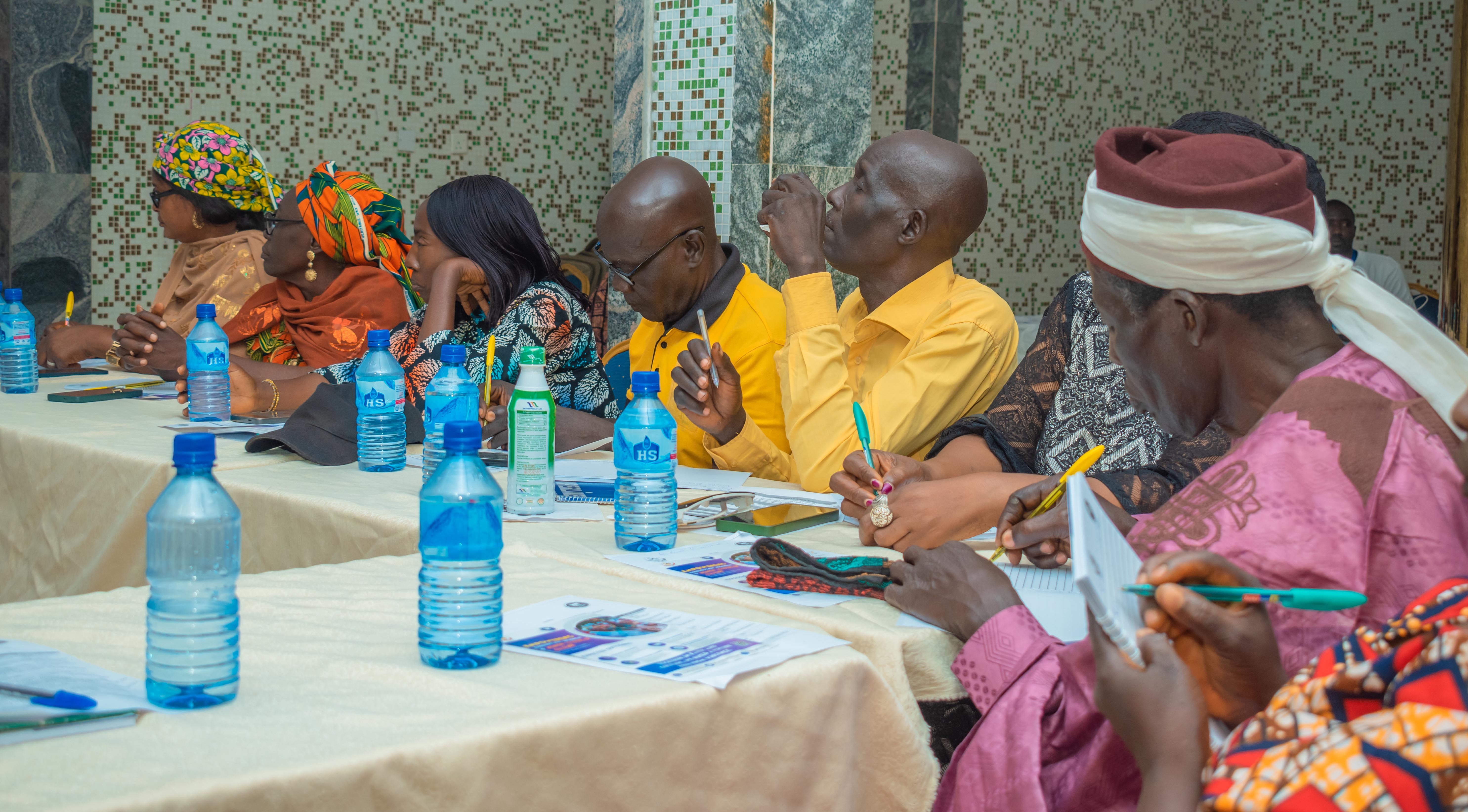

A critical component of this five-year project is the strengthening of institutional systems and stakeholder capacities to ensure a coordinated, sustainable, and effective response to Gender-Based Violence (GBV) and broader gender equality issues. Recognizing that meaningful change requires strong institutions and informed actors, the project will invest in building the knowledge, skills, structures, and partnerships necessary to protect the rights of women and girls across Enugu State and beyond.
The project will support the organizational strengthening of WACOL to enhance its operational efficiency, programme delivery, advocacy influence, case management systems, monitoring frameworks, and long-term sustainability. This includes improving internal systems, staff competencies, resource mobilization strategies, and technological tools needed to manage GBV prevention and response programmes effectively.
At the community level, the project will engage and train key grassroots actors such as community leaders, women leaders, youth groups, faith-based leaders, and local volunteers who play significant roles in shaping attitudes and influencing social norms. These stakeholders will be equipped with the knowledge and practical tools to identify GBV risks, support survivors, promote early reporting, and lead prevention campaigns within their communities.
Civil Society Organizations (CSOs) and women-led groups will also receive technical support to improve their advocacy, programme management, documentation, coalition-building, and service delivery capacities. Strengthening these organizations will create a broader network of capable actors working collectively to advance women’s rights and respond to violence.
Traditional rulers and religious leaders, who often serve as first points of contact in communities, will be strategically engaged through dialogue sessions, sensitization programmes, and leadership forums to promote positive cultural practices, discourage harmful norms, and champion zero tolerance for violence against women and girls.
Relevant government institutions—including ministries, departments, agencies, law enforcement bodies, social welfare offices, and justice sector institutions—will benefit from targeted capacity-building initiatives aimed at strengthening survivor-centered responses, policy implementation, case referral systems, data management, and inter-agency collaboration. This will help improve public sector accountability and responsiveness to GBV issues.
To ensure effective coordination, the project will establish and strengthen multi-stakeholder platforms, technical working groups, and referral networks that bring together state and non-state actors for planning, information sharing, case management, and joint action. These coordination mechanisms will reduce duplication of efforts, close service gaps, and foster integrated responses to GBV.
Regular training programmes, workshops, learning exchanges, and advocacy engagements will be organized throughout the project lifecycle to sustain momentum, deepen expertise, and encourage innovation. Topics will include GBV prevention, trauma-informed care, human rights standards, safeguarding, gender mainstreaming, leadership development, and community mobilization.
Ultimately, this component seeks to leave behind stronger institutions, empowered stakeholders, and functional systems capable of sustaining progress in preventing GBV, promoting justice, and advancing gender equality long after the project concludes.

WOMEN AID COLLECTIVE.
 Watch Live Stream
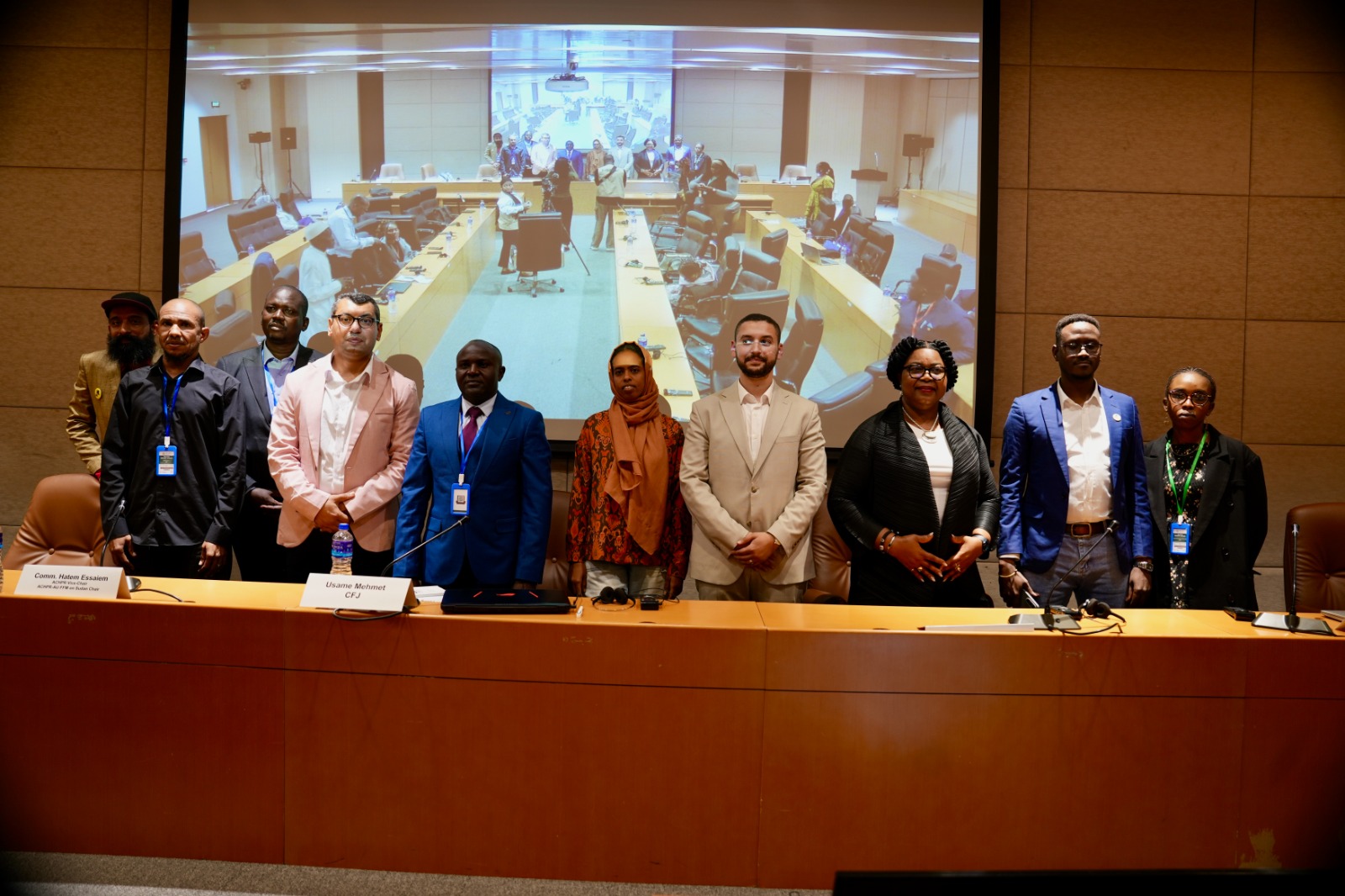 87th Ordinary Session of the African Commission on Human and Peoples' Rights
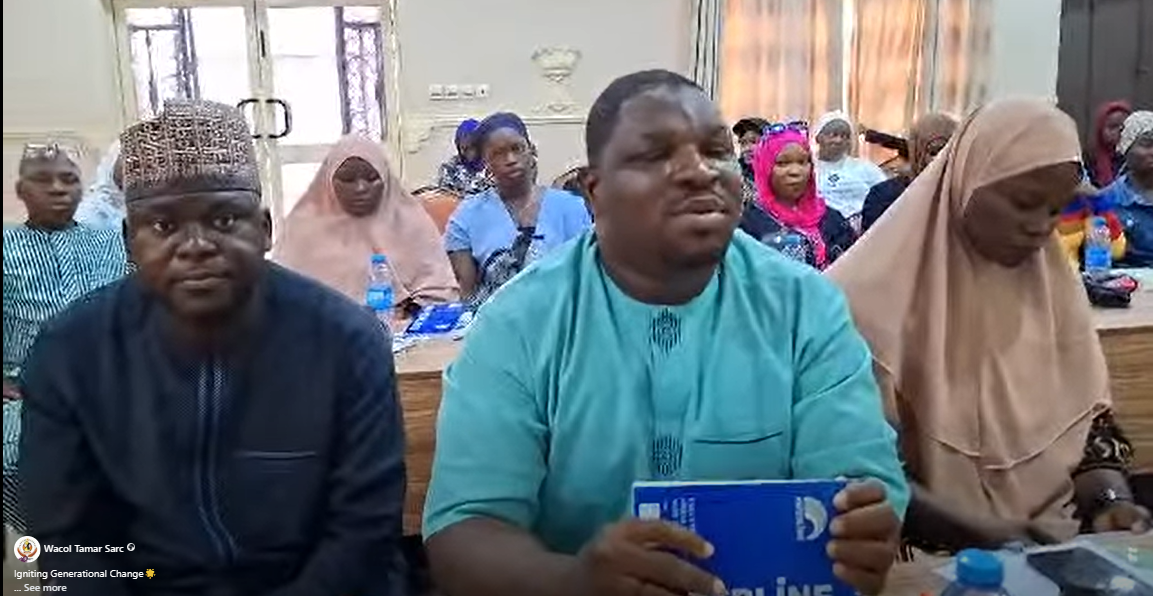 Igniting Generational Change🌟
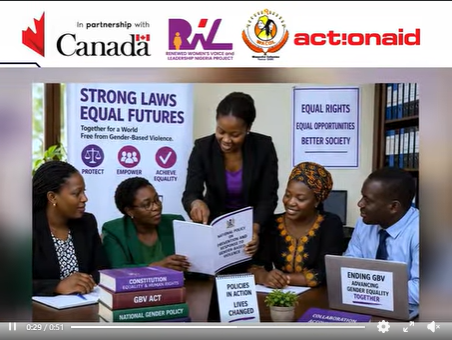 BIG NEWS FOR ENUGU...A Brighter Future For Women and Girls in Enugu
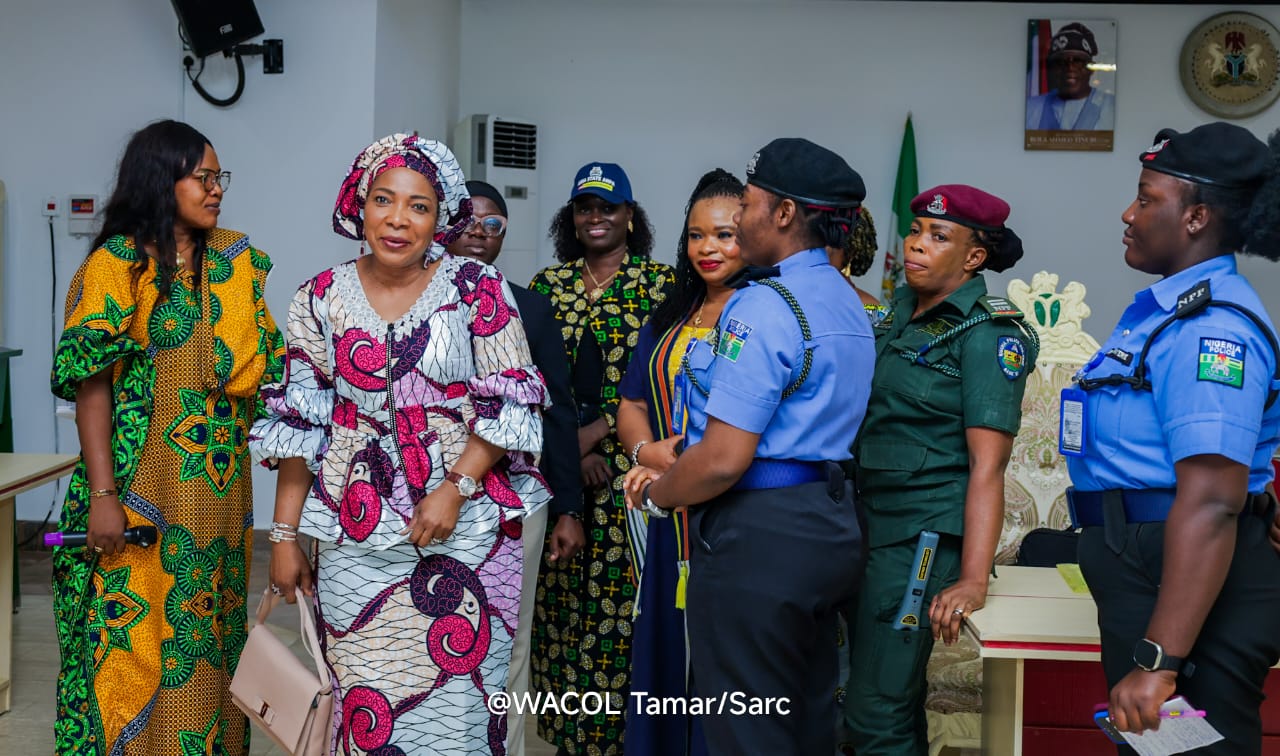 Her Excellency Mrs. Priscilla Chidinma Otti flagged off a vital 2-day training for Abia State’s GBV and SARC Steering Committees organized by WACOL with support from International IDEA
 A Mother Of 4 Currently Battles For Her Life After Brutally Beating By The Husband
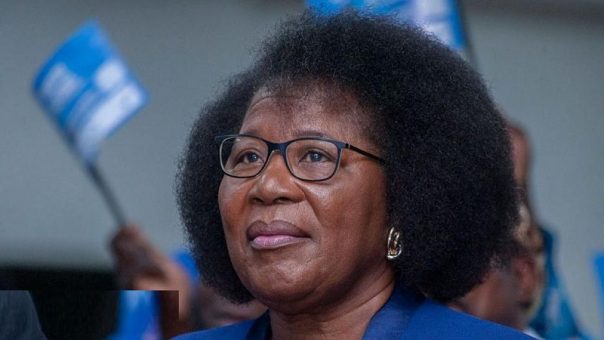 Malawi’s Vice President urges a comprehensive approach to advancing women’s rights across Africa.
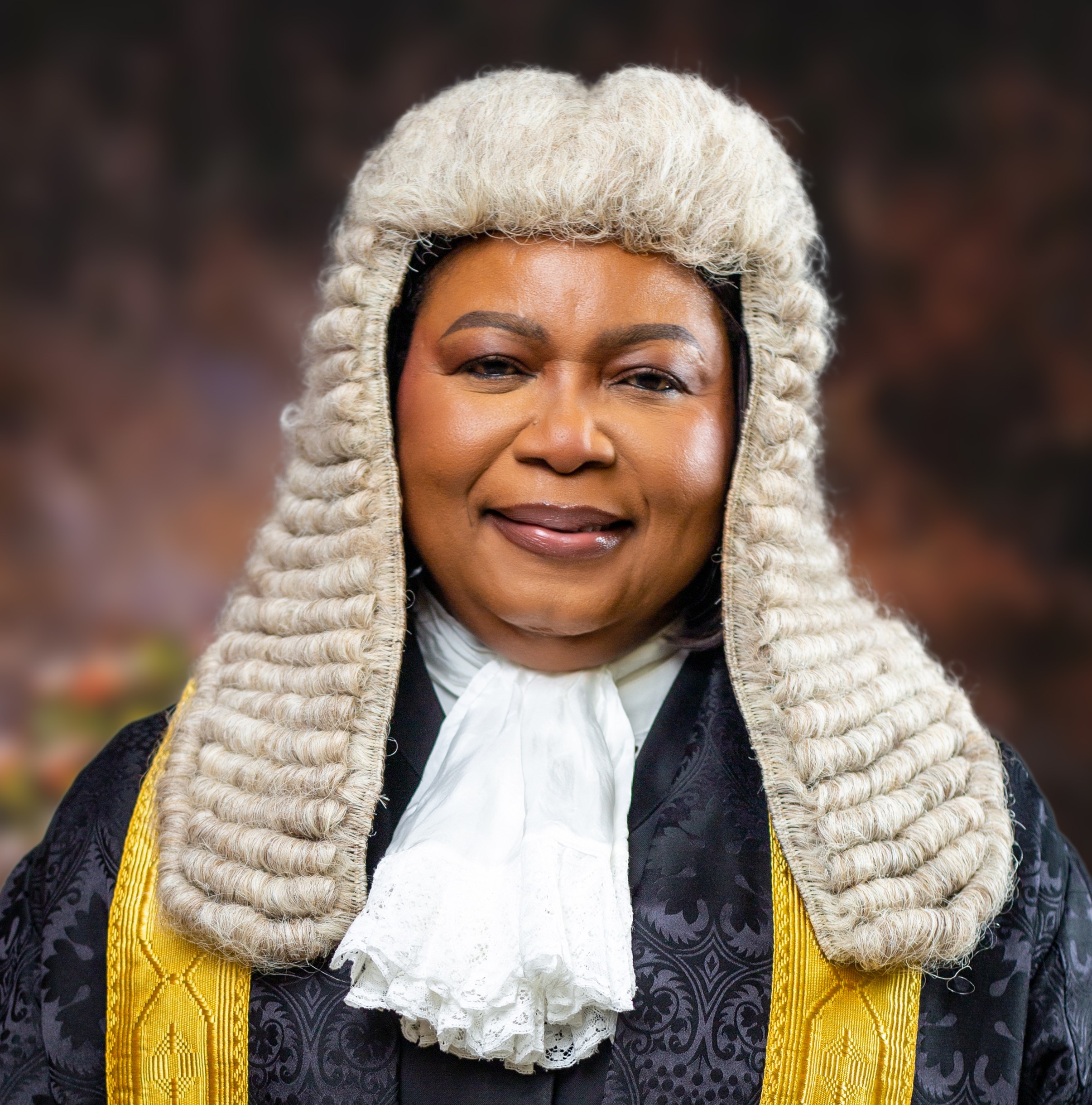 Celebrating Prof. Joy Ngozi Ezeilo. SAN. OON, @ 60.
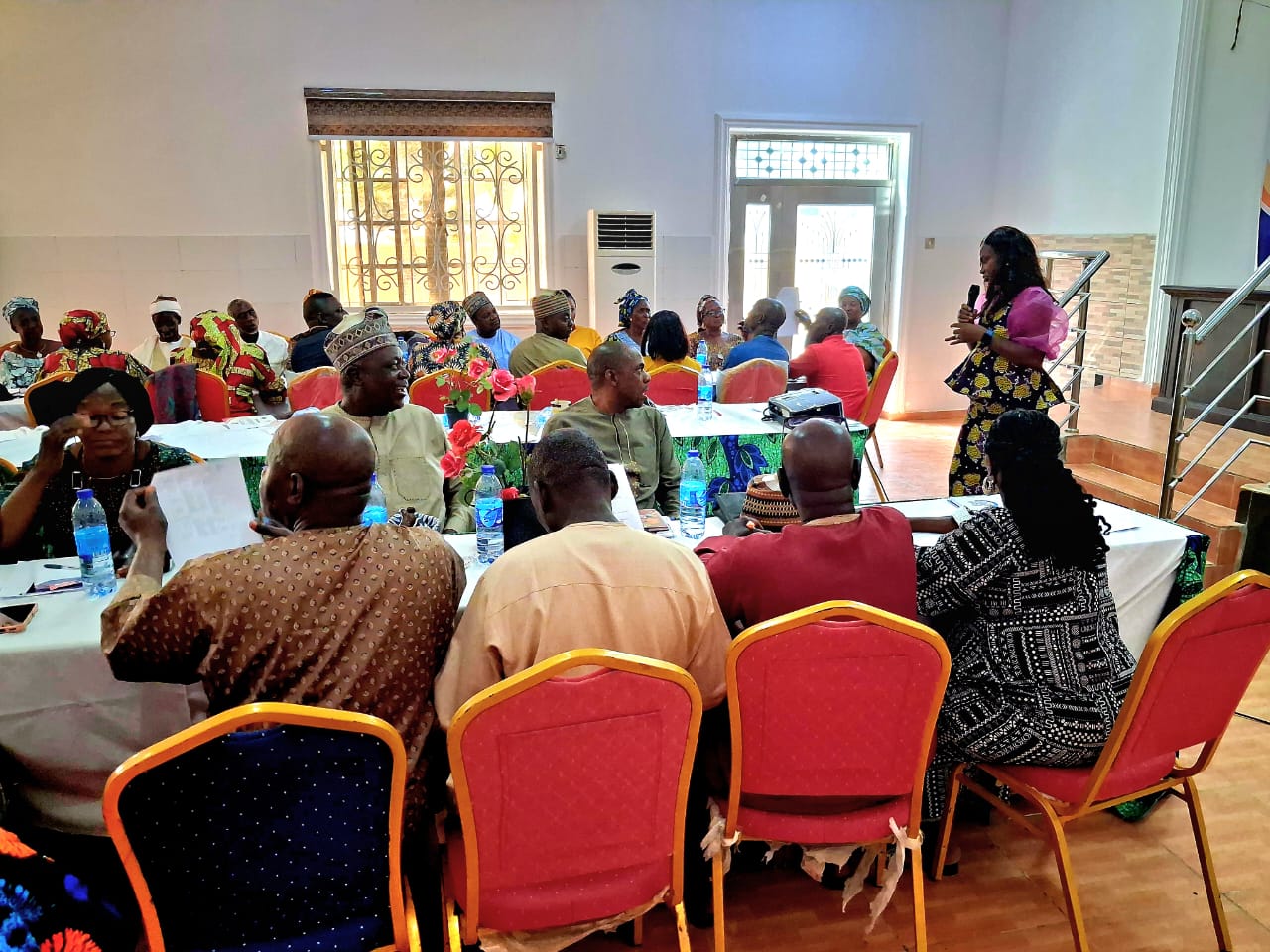 How Do We Scale Up Impact? Through Shared Experience!
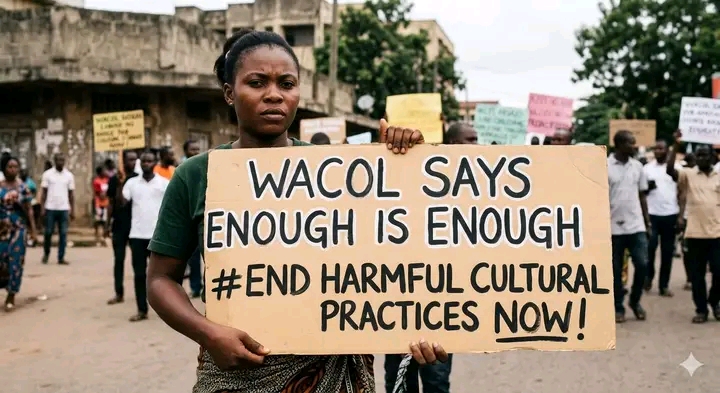 WACOL Condemned Ozoro Gang Rape at Cultural Festival
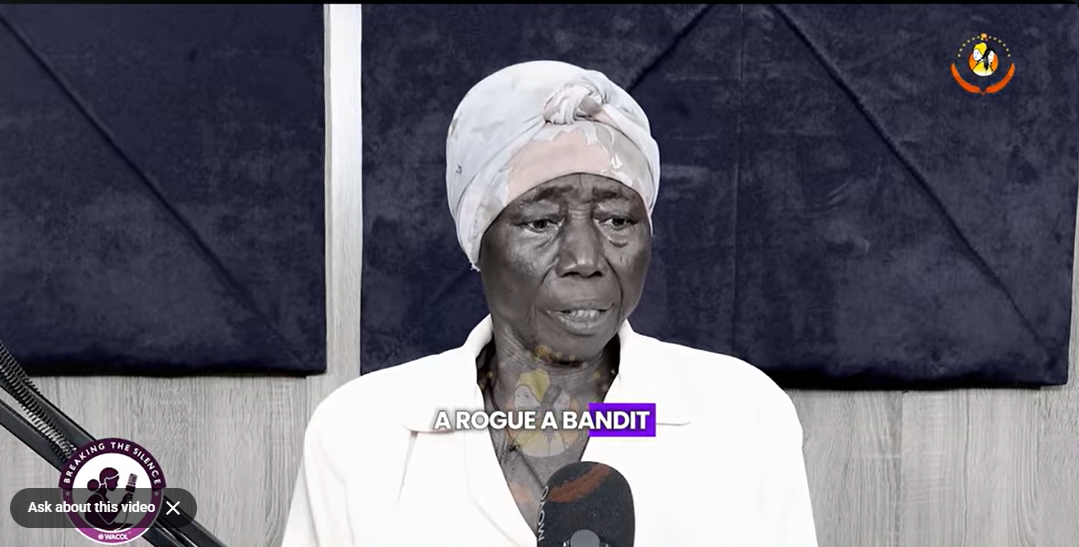 A Home for a Heroine: #JusticeForOfficerGrace
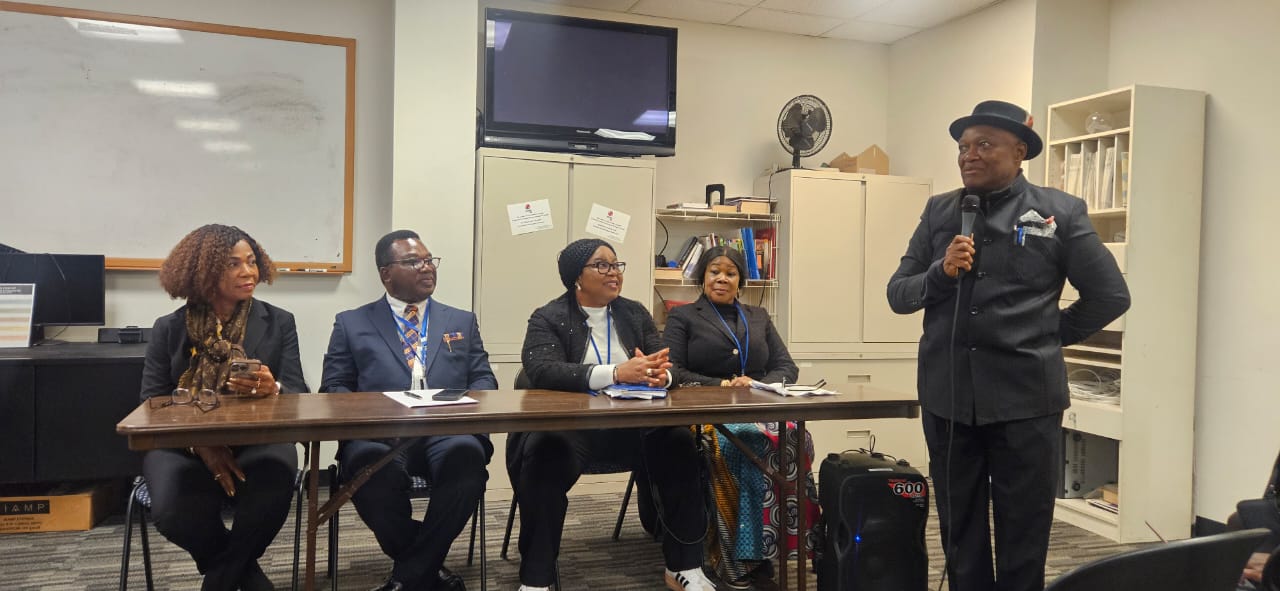 A Massive Success As Honorable Speaks On, Inclusive & Equitable Legal System: Strengthening Access to Justice for Women & Girls
Comments
Please login to comment.