87th Ordinary Session of the African Commission on Human and Peoples' Rights
Igniting Generational Change🌟
BIG NEWS FOR ENUGU...A Brighter Future For Women and Girls in Enugu
Her Excellency Mrs. Priscilla Chidinma Otti flagged off a vital 2-day training for Abia State’s GBV and SARC Steering Committees organized by WACOL with support from International IDEA
A Mother Of 4 Currently Battles For Her Life After Brutally Beating By The Husband
Malawi’s Vice President urges a comprehensive approach to advancing women’s rights across Africa.
Celebrating Prof. Joy Ngozi Ezeilo. SAN. OON, @ 60.
How Do We Scale Up Impact? Through Shared Experience!
WACOL Condemned Ozoro Gang Rape at Cultural Festival
A Home for a Heroine: #JusticeForOfficerGrace
A Massive Success As Honorable Speaks On, Inclusive & Equitable Legal System: Strengthening Access to Justice for Women & Girls
EMPOWERING CHRISTIAN WOMEN & WOMEN LEADERS OF CULTURE FOR PREVENTION AND RESPONSE TO GENDER BASED VIOLENCE IN NIGERIA, THROUGH THE STRENGTHENING OF GRASSROOTS ORGANIZATIONS - Playlist
4 Posts
WACOL
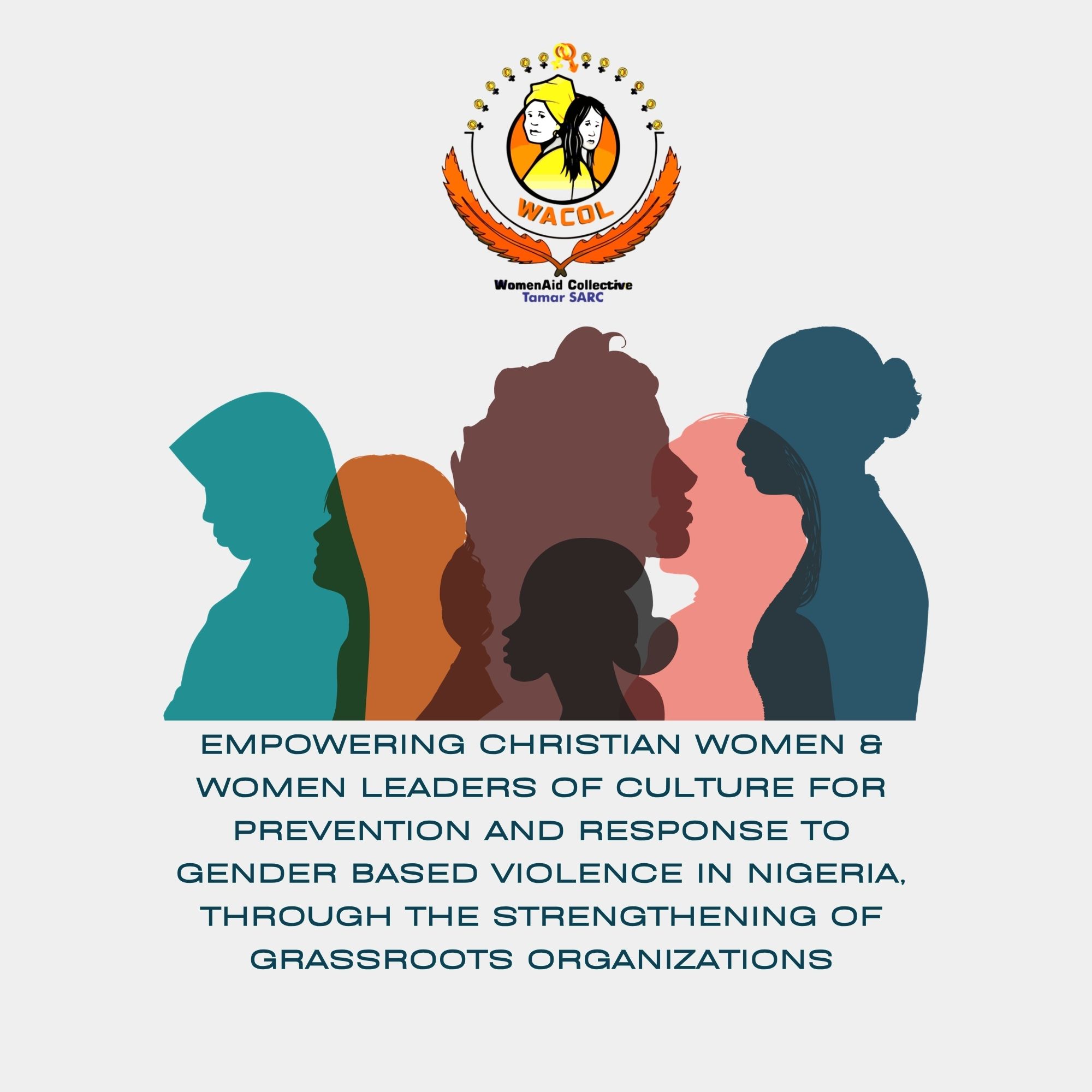
EMPOWERING CHRISTIAN WOMEN & WOMEN LEADERS OF CULTURE FOR PREVENTION AND RESPONSE TO GENDER BASED VIOLENCE IN NIGERIA, THROUGH THE STRENGTHENING OF GRASSROOTS ORGANIZATIONS
Gender-based violence (GBV), also known as violence against women and girls (VAWG) knows no religious boundary, and victims/survivors are predominantl...Gender-based violence (GBV), also known as violence against women and girls (VAWG) knows no religious boundary, and victims/survivors are predominantly Christian women, given the place and influence of religion in society.
GBV/VAWG affects millions in Nigeria. It is perpetuated by systemic discrimination, stereotypes, and cultural norms that view women as inferior. Social norms that accept or tolerate VAW pose significant obstacles to creating change. Forms of violence include physical, sexual, emotional, economic, and domestic abuse, as well as harmful cultural practices.
The forms and manifestations of gender-based violence in Nigeria include rape, incest, spousal beatings, sexual harassment, trafficking, female genital mutilation, forced/child marriage, bride price/dowry, child domestic worker abuse, acid attacks, emotional abuse, and abandonment. These practices are influenced by social patriarchy, religion, and traditional and cultural practices throughout the country. The emergence of the Boko Haram terrorist group has escalated SGBV in the form of sexual slavery, abduction, kidnapping and trafficking of girls as mercenaries and comfort women to provide sex for the insurgents, forced marriage to terrorists and ‘sex-for-food’, especially in the Northeast and Northwest of Nigeria. These untoward happenings are having a significant impact on women, children and persons with disabilities, resulting in substantial unmet justice needs. According to UNICEF Nigeria’s report (2017), one in four Nigerian girls have experienced sexual violence by age one, and hardly any receive any form of support. National Survey on SGBV in Nigeria carried out by WACOL in 2020/2021 (Beijing+ 25: Assessing the Realization of Nigerian Women’s Rights in Critical Areas of Sexual and Gender-Based Violence, 2021) indicates that rape and sexual abuse are among the forms of torture experienced by women. The survey puts the rate of women’s rape and sexual abuse at 65.4%. Harmful social norms, such as early and forced marriage, FGM, widowhood practices, and denial of inheritance and property rights, perpetuate VAW and hinder efforts to prevent and respond to it.
GBV/VAWG continues to be a problem despite existing national and state laws, such as the Violence Against Persons Prohibition Act (VAPP Act of 2015) and similar state VAPP Laws operational in 35 of Nigeria's 36 states.

 Watch Live Stream
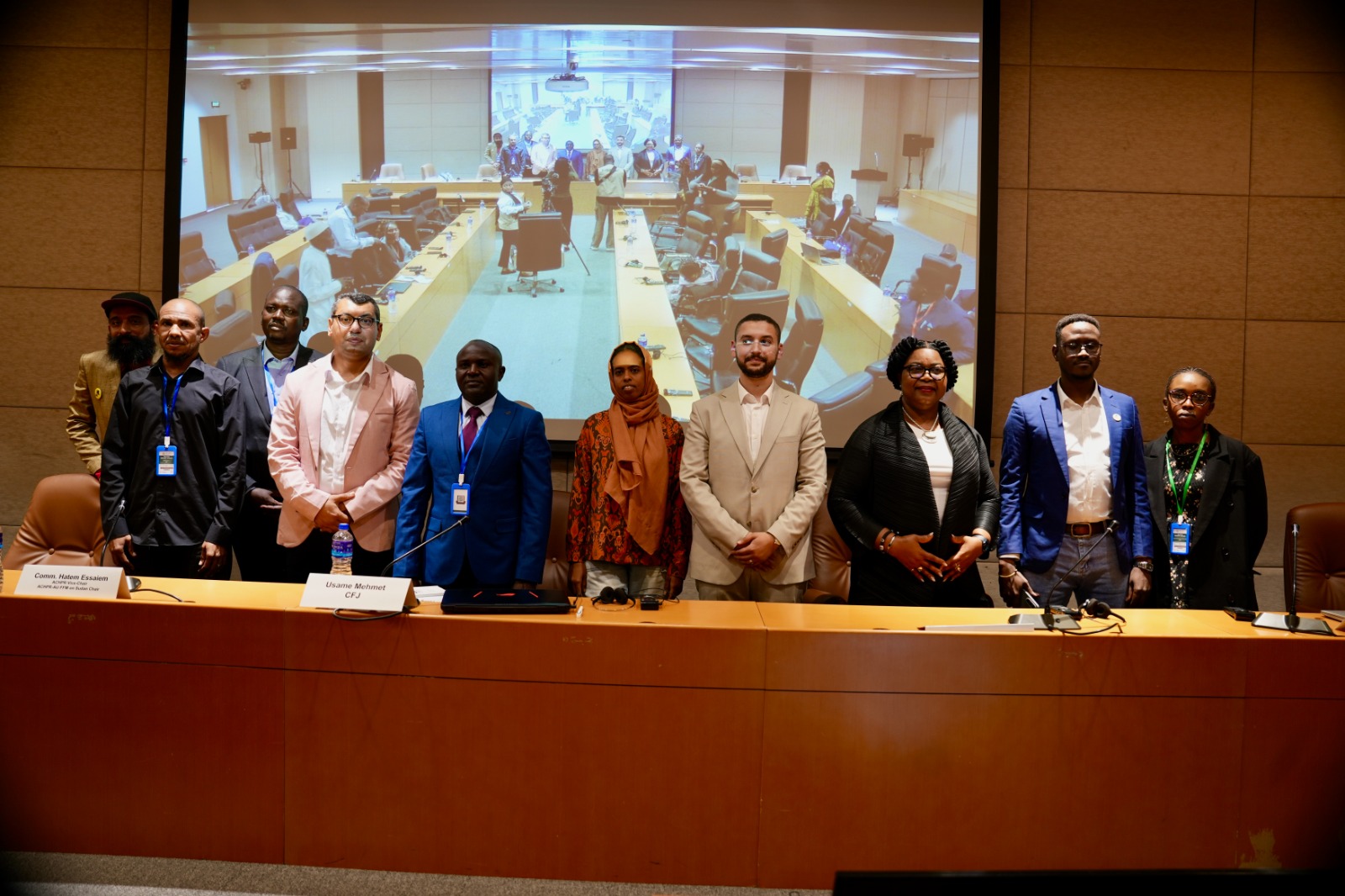 87th Ordinary Session of the African Commission on Human and Peoples' Rights
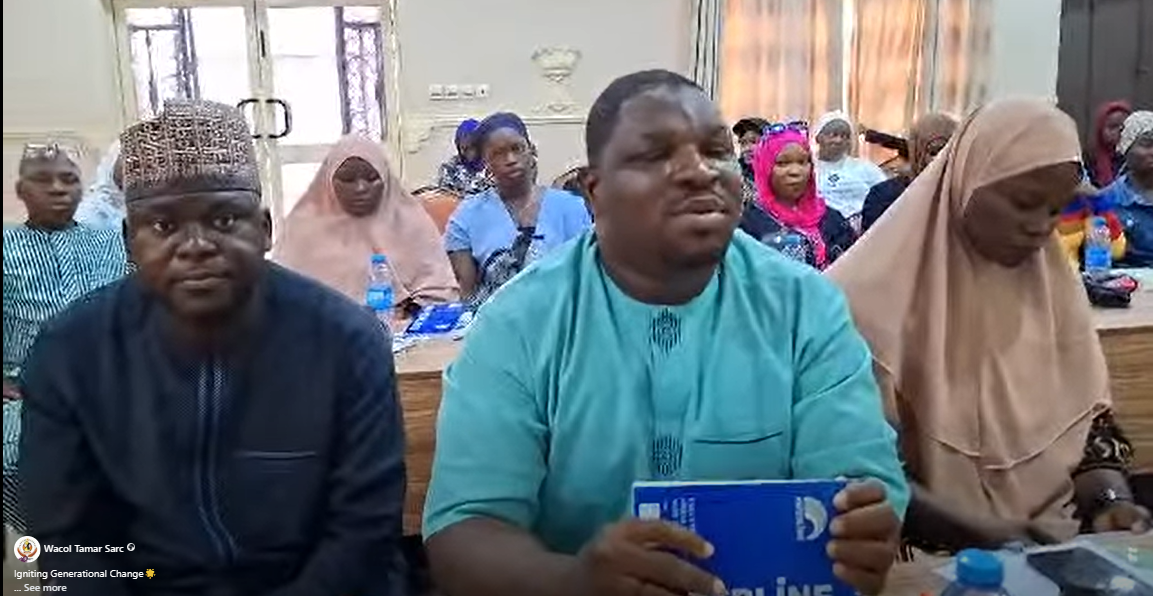 Igniting Generational Change🌟
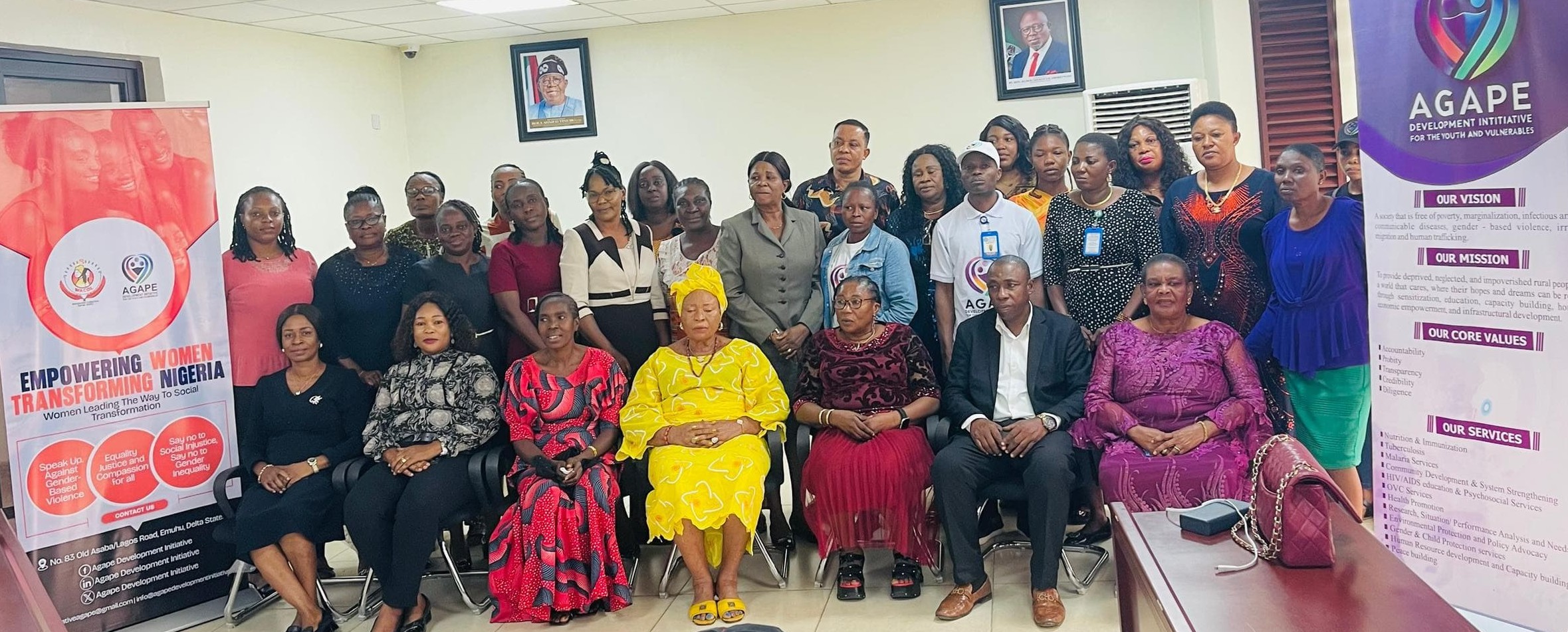
 BIG NEWS FOR ENUGU...A Brighter Future For Women and Girls in Enugu
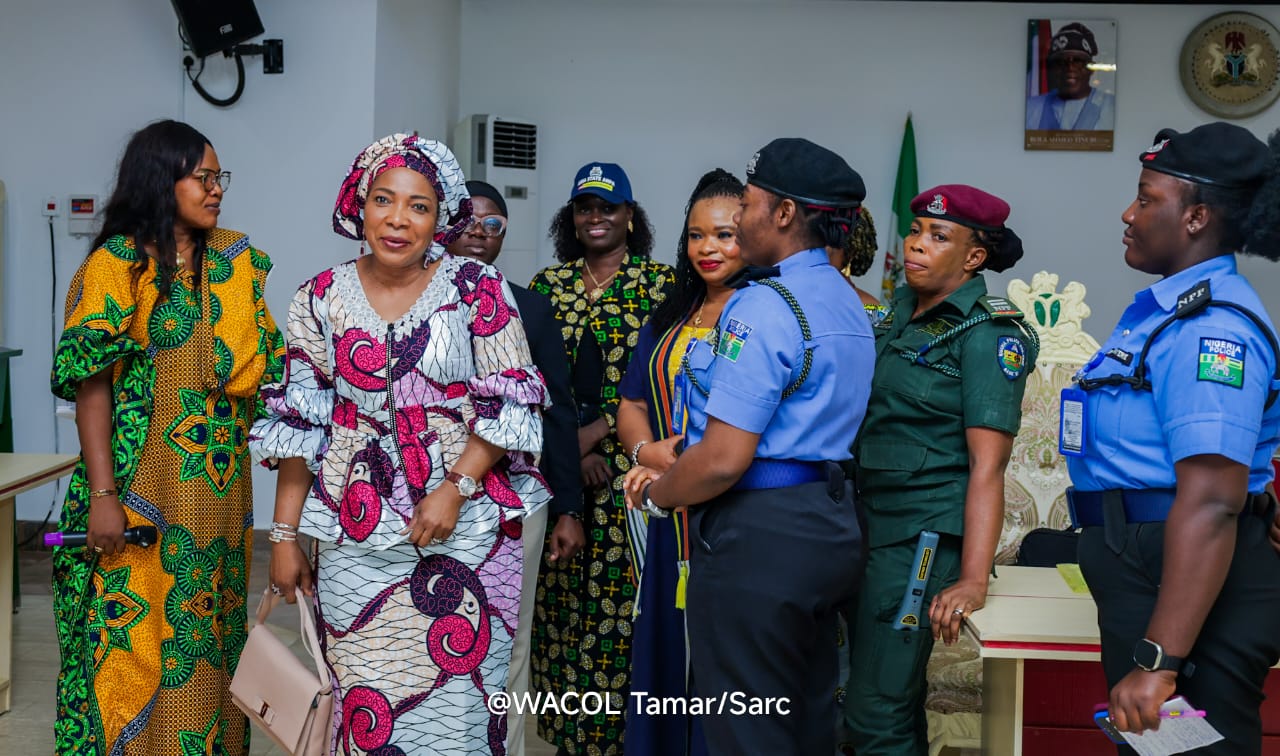 Her Excellency Mrs. Priscilla Chidinma Otti flagged off a vital 2-day training for Abia State’s GBV and SARC Steering Committees organized by WACOL with support from International IDEA
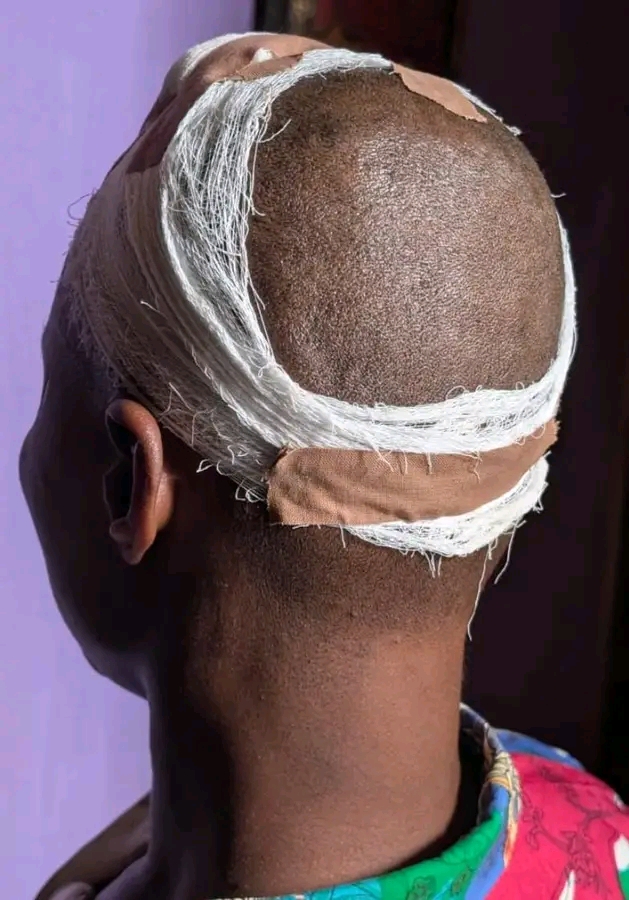 A Mother Of 4 Currently Battles For Her Life After Brutally Beating By The Husband
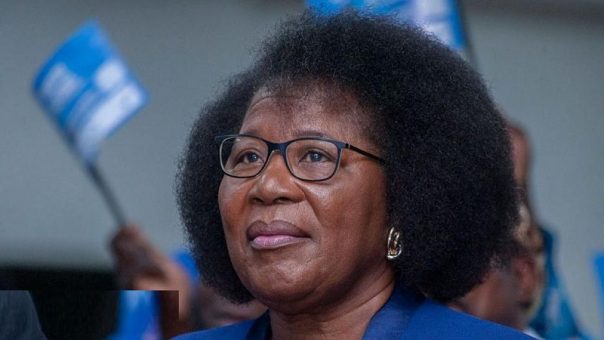 Malawi’s Vice President urges a comprehensive approach to advancing women’s rights across Africa.
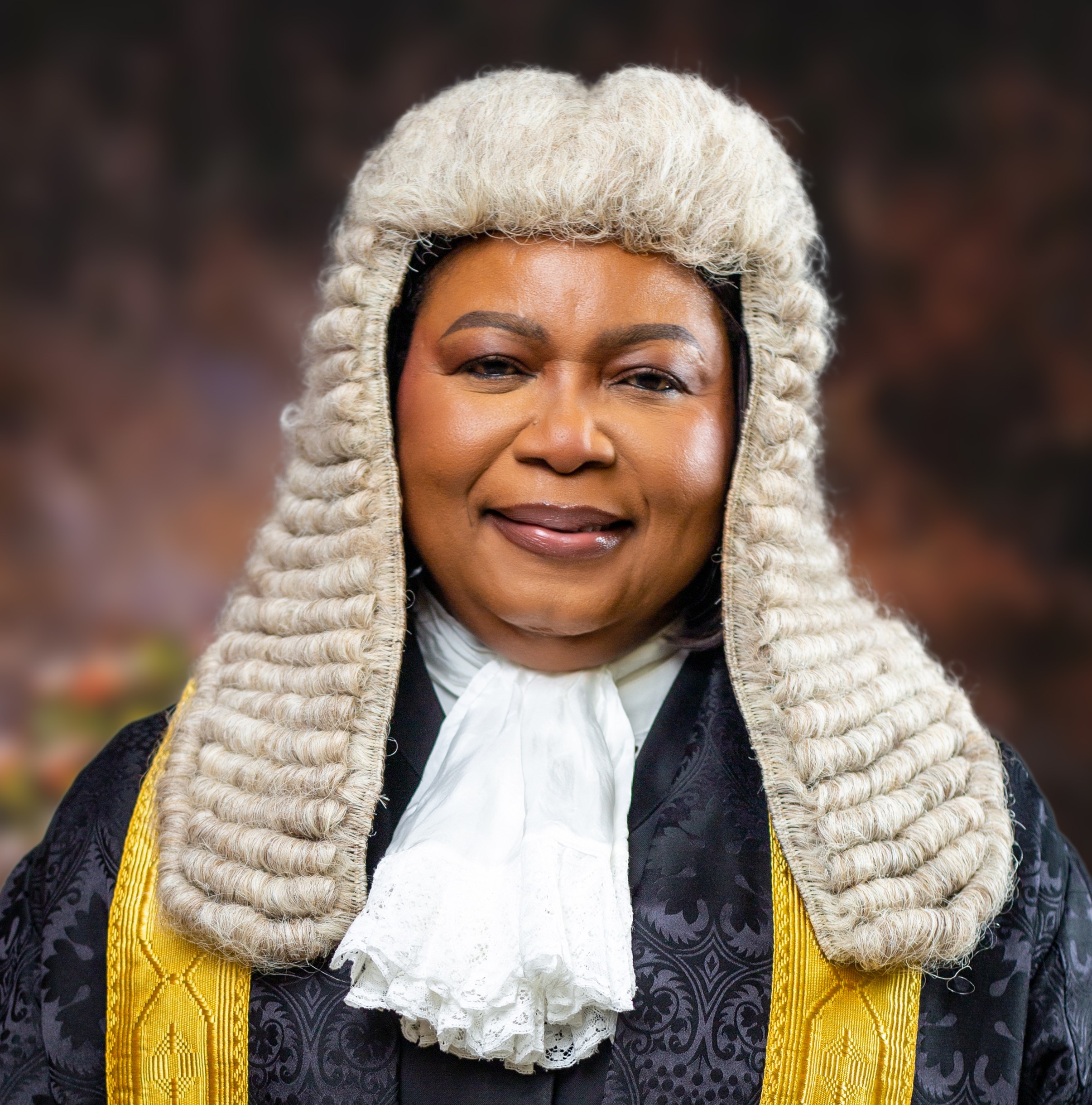 Celebrating Prof. Joy Ngozi Ezeilo. SAN. OON, @ 60.
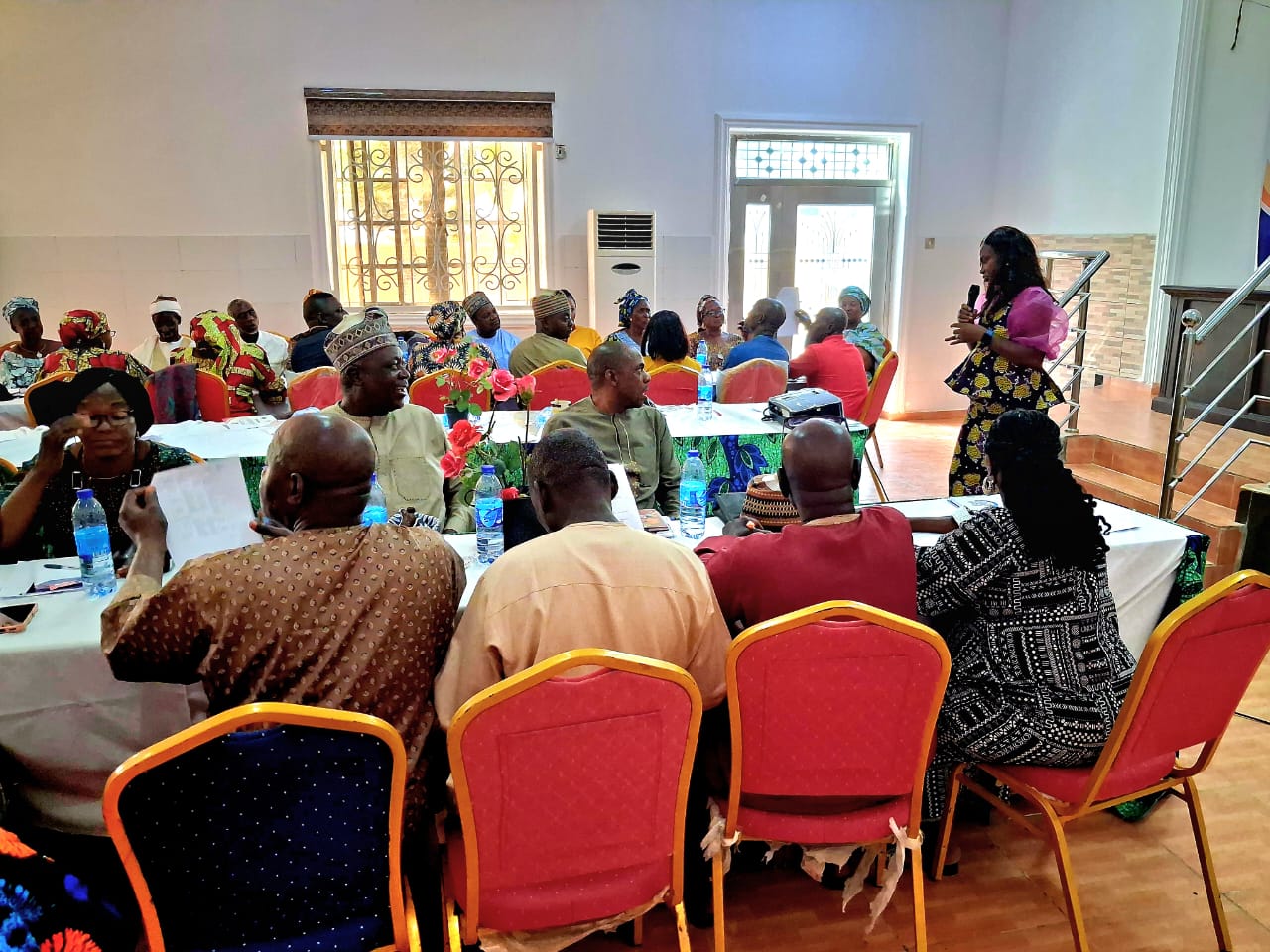 How Do We Scale Up Impact? Through Shared Experience!
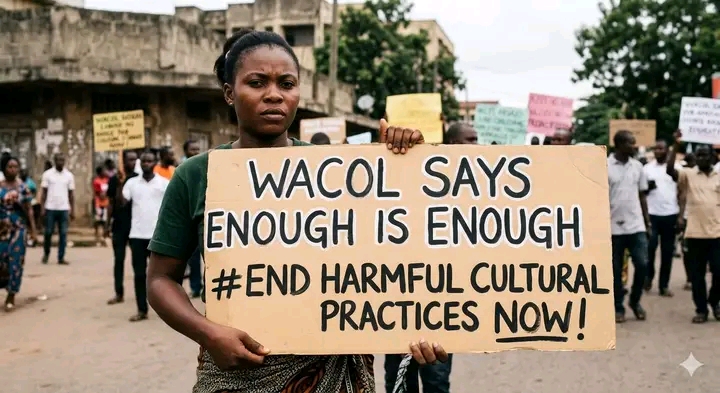 WACOL Condemned Ozoro Gang Rape at Cultural Festival
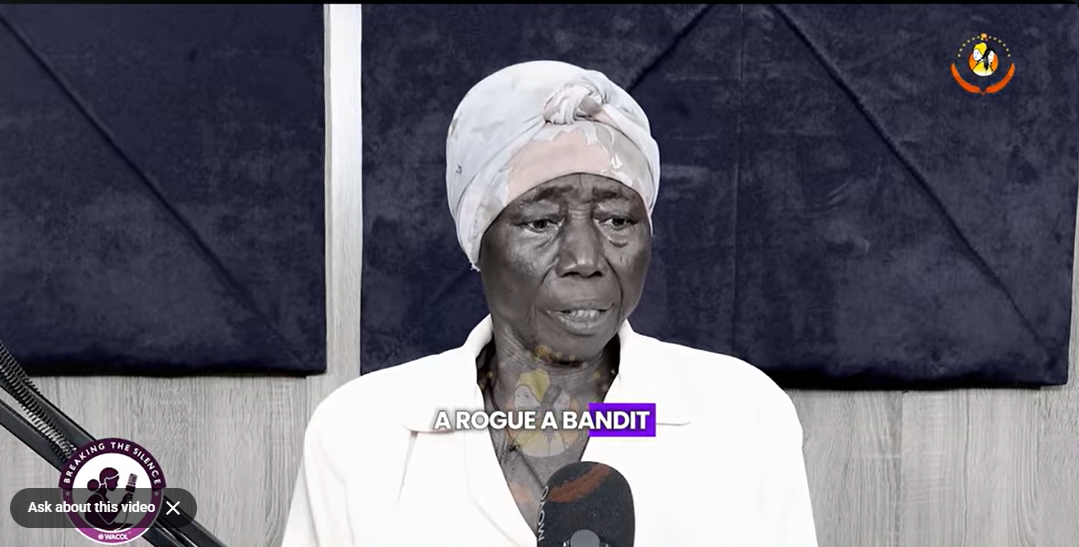 A Home for a Heroine: #JusticeForOfficerGrace
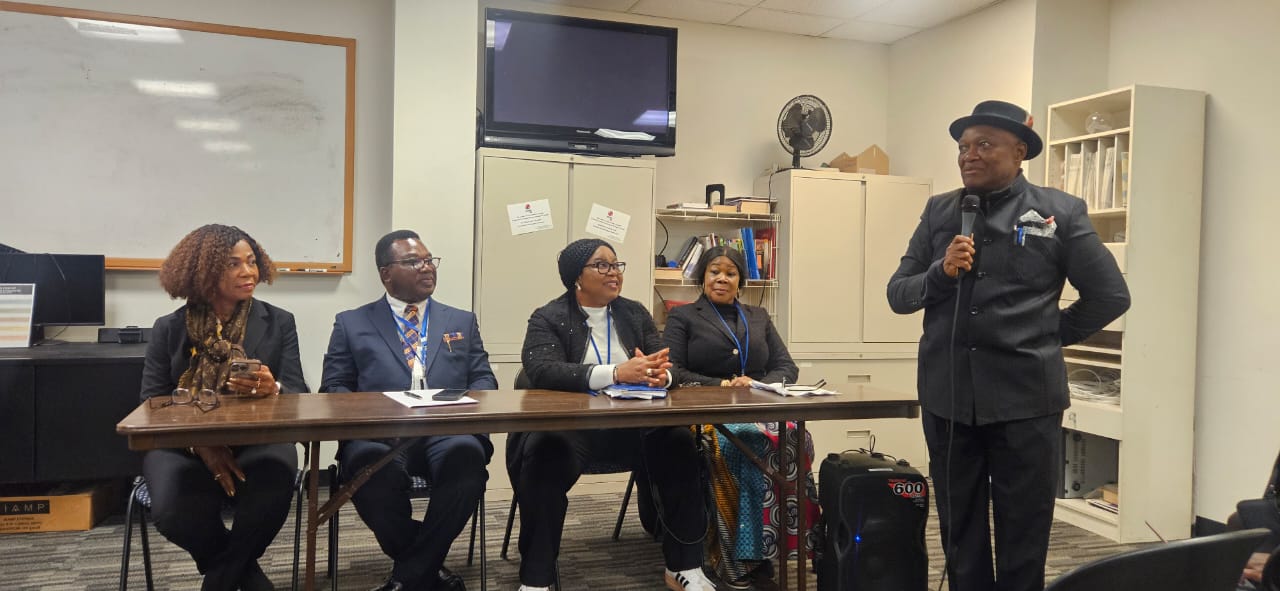 A Massive Success As Honorable Speaks On, Inclusive & Equitable Legal System: Strengthening Access to Justice for Women & Girls