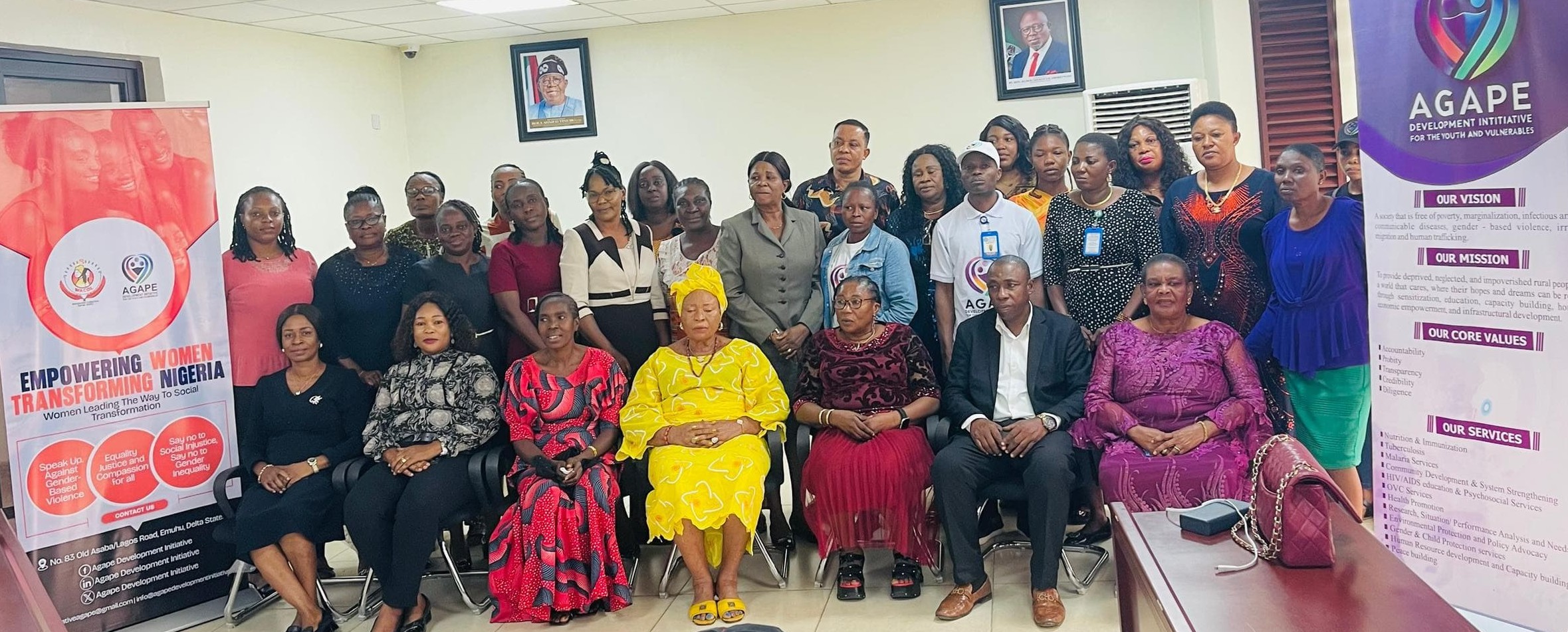

Christianity is one of Nigeria’s major religions, with over 80 million adherents across multiple denominations. While it has significantly shaped education, healthcare, and moral values, patriarchal interpretations of scripture have often reinforced gender inequality. Women play active roles in church life but remain underrepresented in leadership, and silence within some religious spaces has contributed to the persistence of gender-based violence (GBV).
Beyond religion, entrenched cultural norms and harmful practices—such as early marriage, female genital mutilation, and denial of inheritance rights—continue to drive inequality and violence against women and girls. Cultural and religious institutions, including women-led groups, strongly influence social norms, sometimes reinforcing harmful practices.
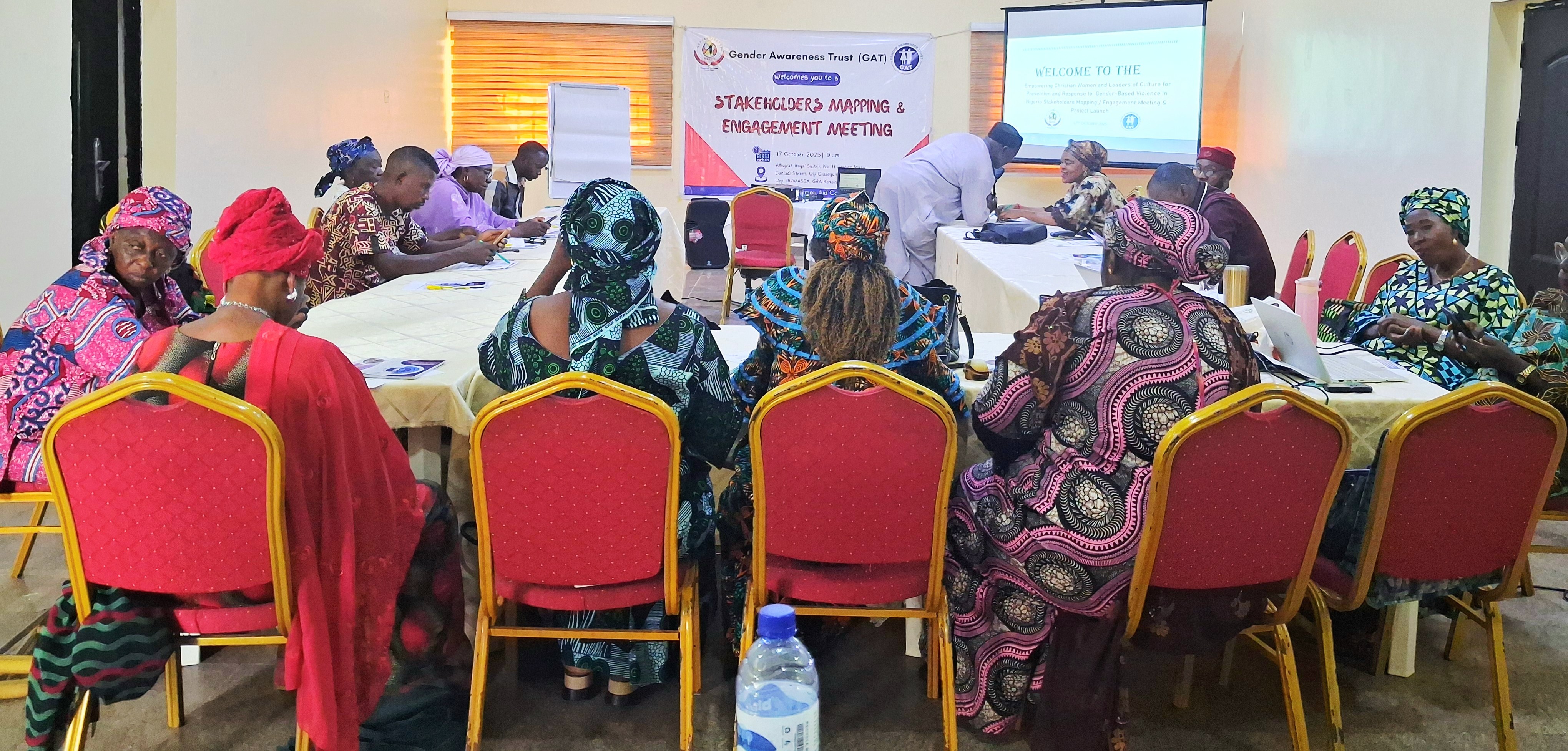
This project addresses these challenges by empowering Christian women and female cultural leaders, strengthening grassroots organizations, and promoting gender-responsive approaches within faith and cultural systems. Its Theory of Change focuses on three key areas: capacity building through training, mobilization of women’s groups for sustained engagement, and fostering attitudinal and behavioral change to prevent GBV.

WOMEN AID COLLECTIVE.
 Watch Live Stream
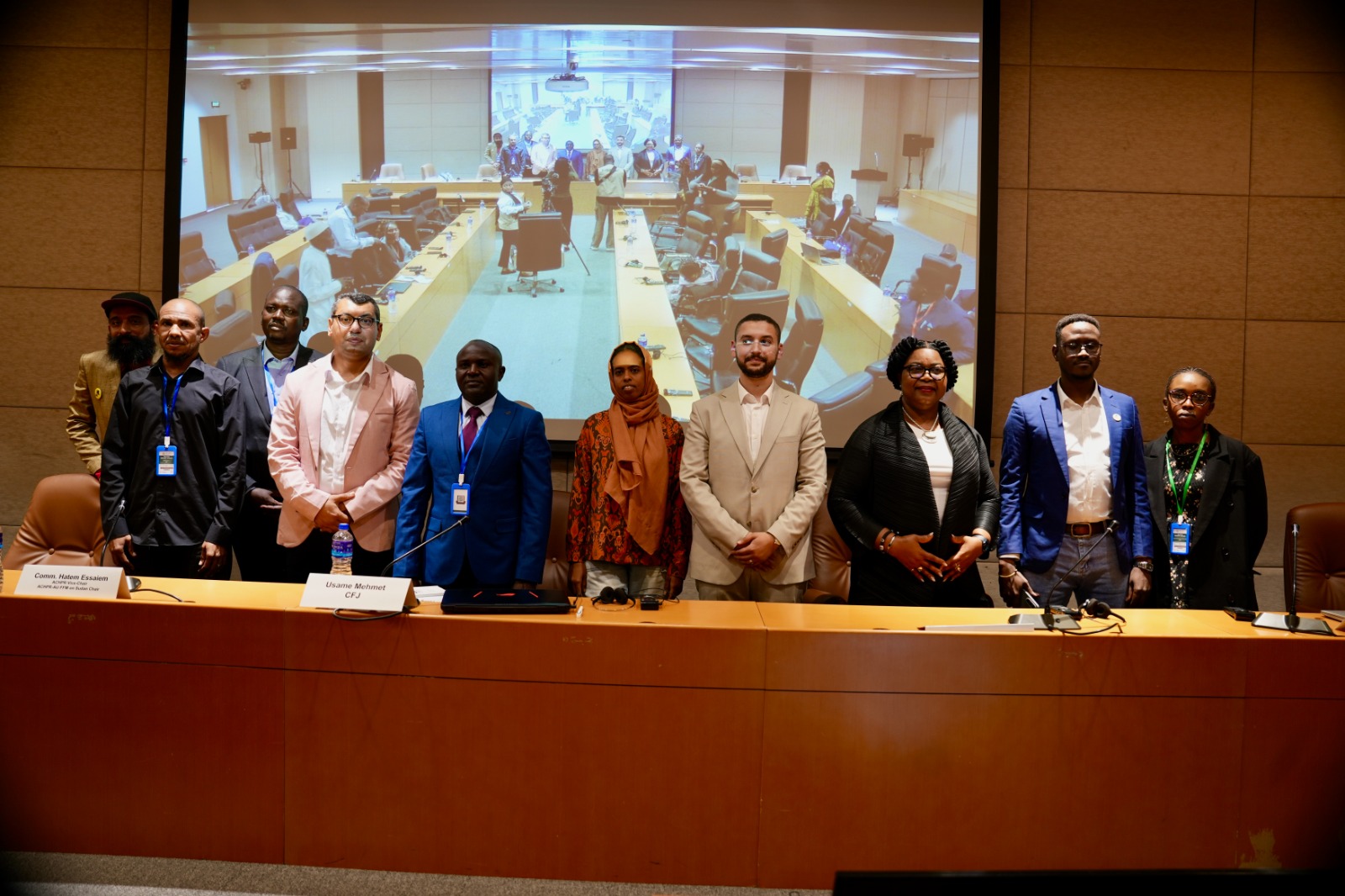 87th Ordinary Session of the African Commission on Human and Peoples' Rights
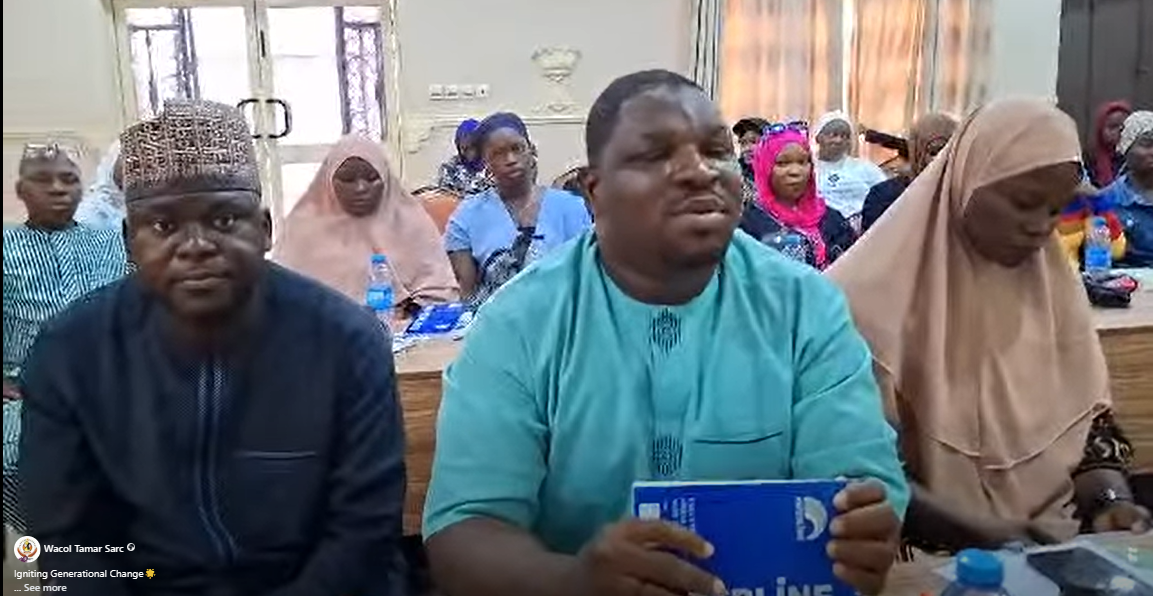 Igniting Generational Change🌟
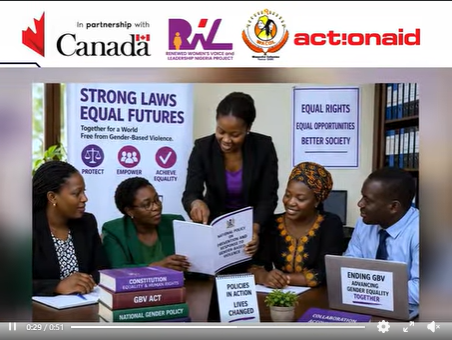 BIG NEWS FOR ENUGU...A Brighter Future For Women and Girls in Enugu
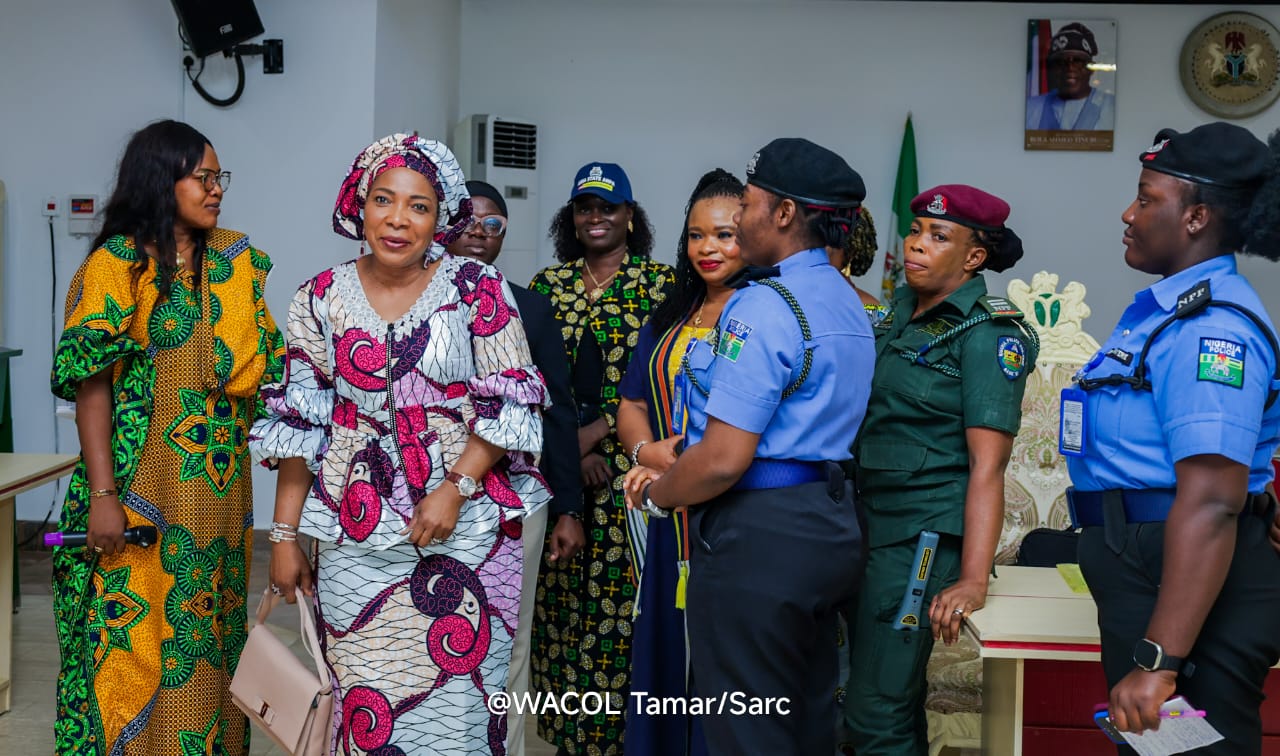 Her Excellency Mrs. Priscilla Chidinma Otti flagged off a vital 2-day training for Abia State’s GBV and SARC Steering Committees organized by WACOL with support from International IDEA
 A Mother Of 4 Currently Battles For Her Life After Brutally Beating By The Husband
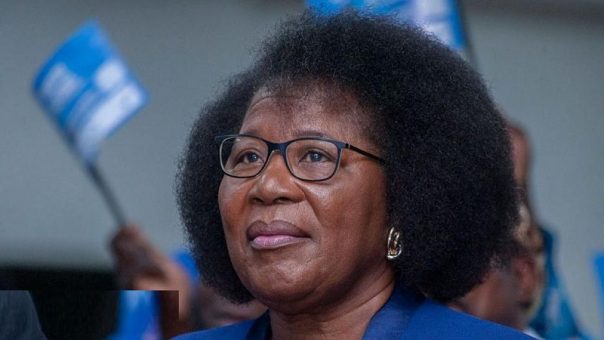 Malawi’s Vice President urges a comprehensive approach to advancing women’s rights across Africa.
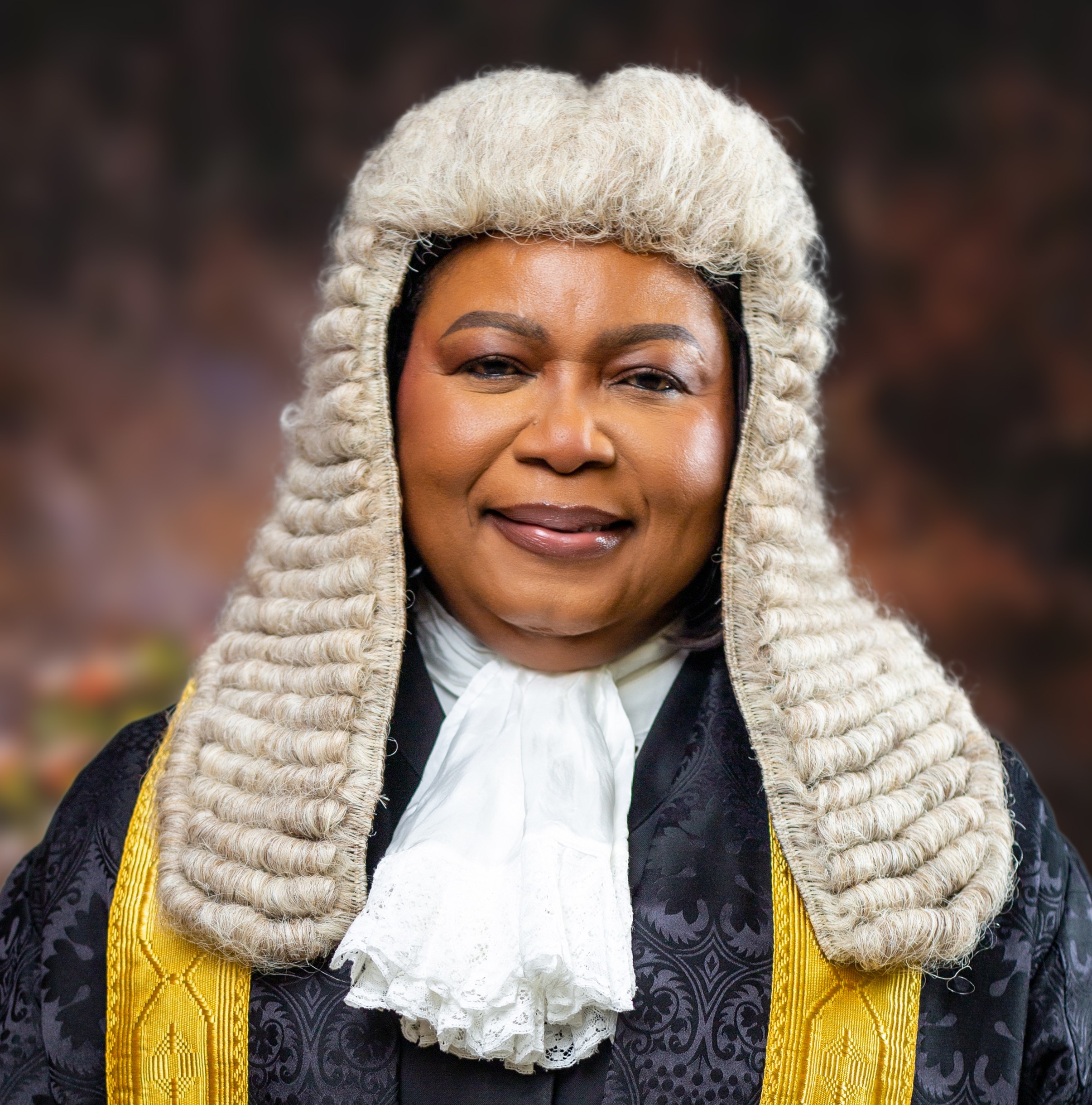 Celebrating Prof. Joy Ngozi Ezeilo. SAN. OON, @ 60.
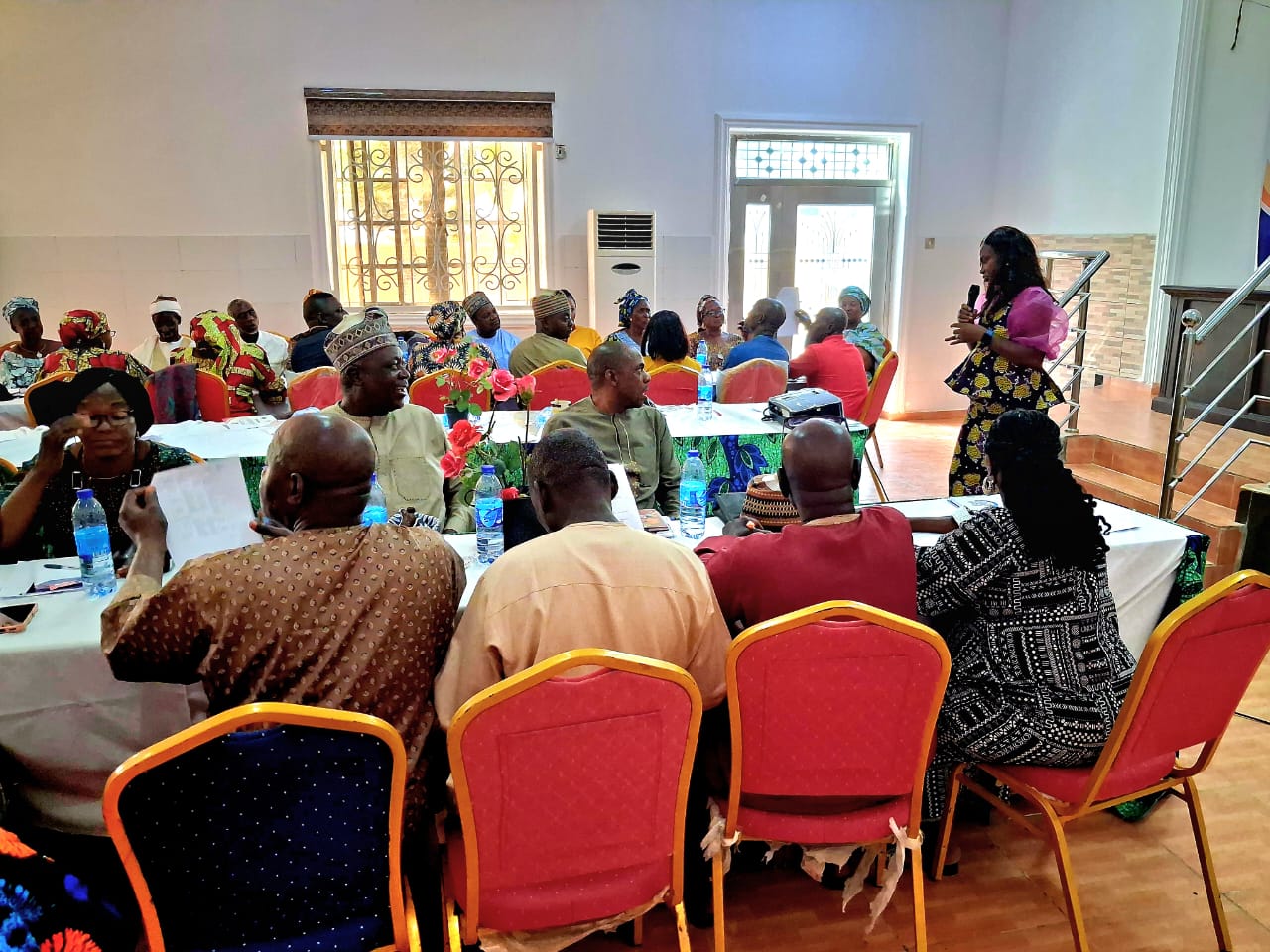 How Do We Scale Up Impact? Through Shared Experience!
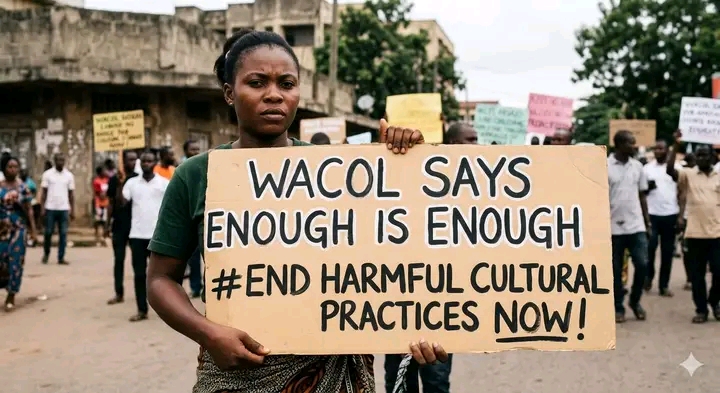 WACOL Condemned Ozoro Gang Rape at Cultural Festival
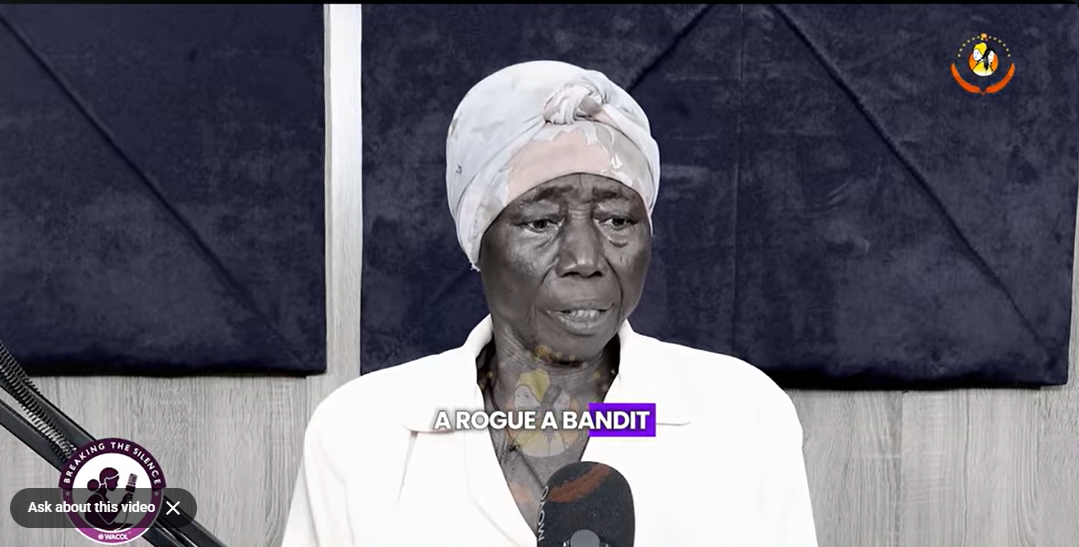 A Home for a Heroine: #JusticeForOfficerGrace
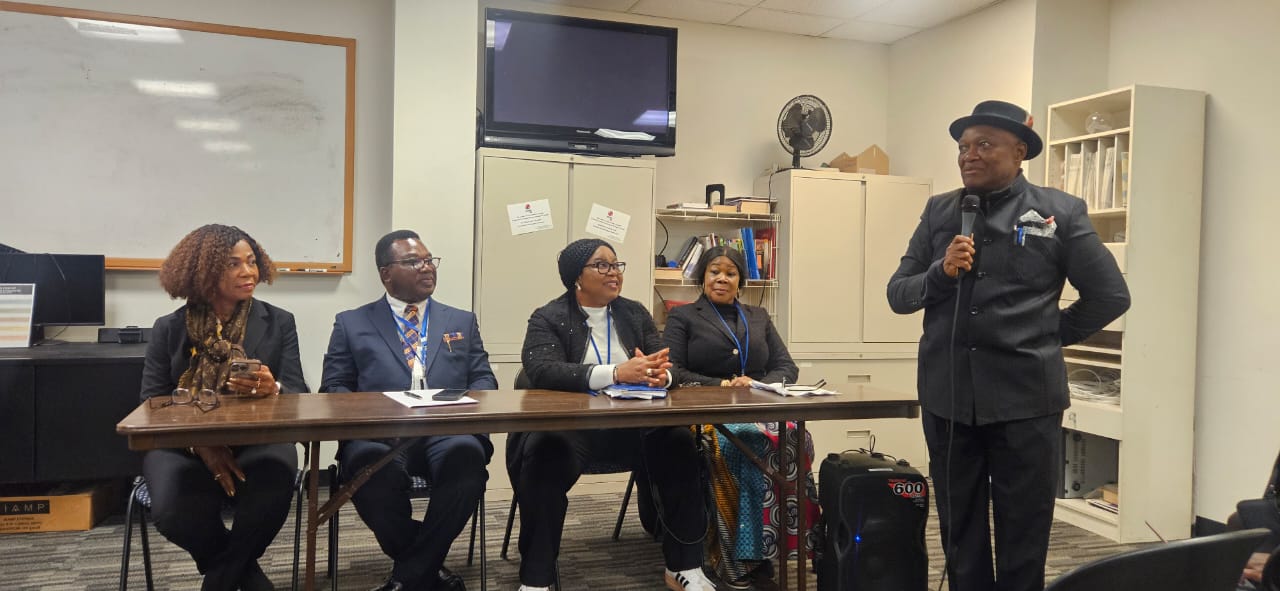 A Massive Success As Honorable Speaks On, Inclusive & Equitable Legal System: Strengthening Access to Justice for Women & Girls
Comments
Please login to comment.